Table Of Content
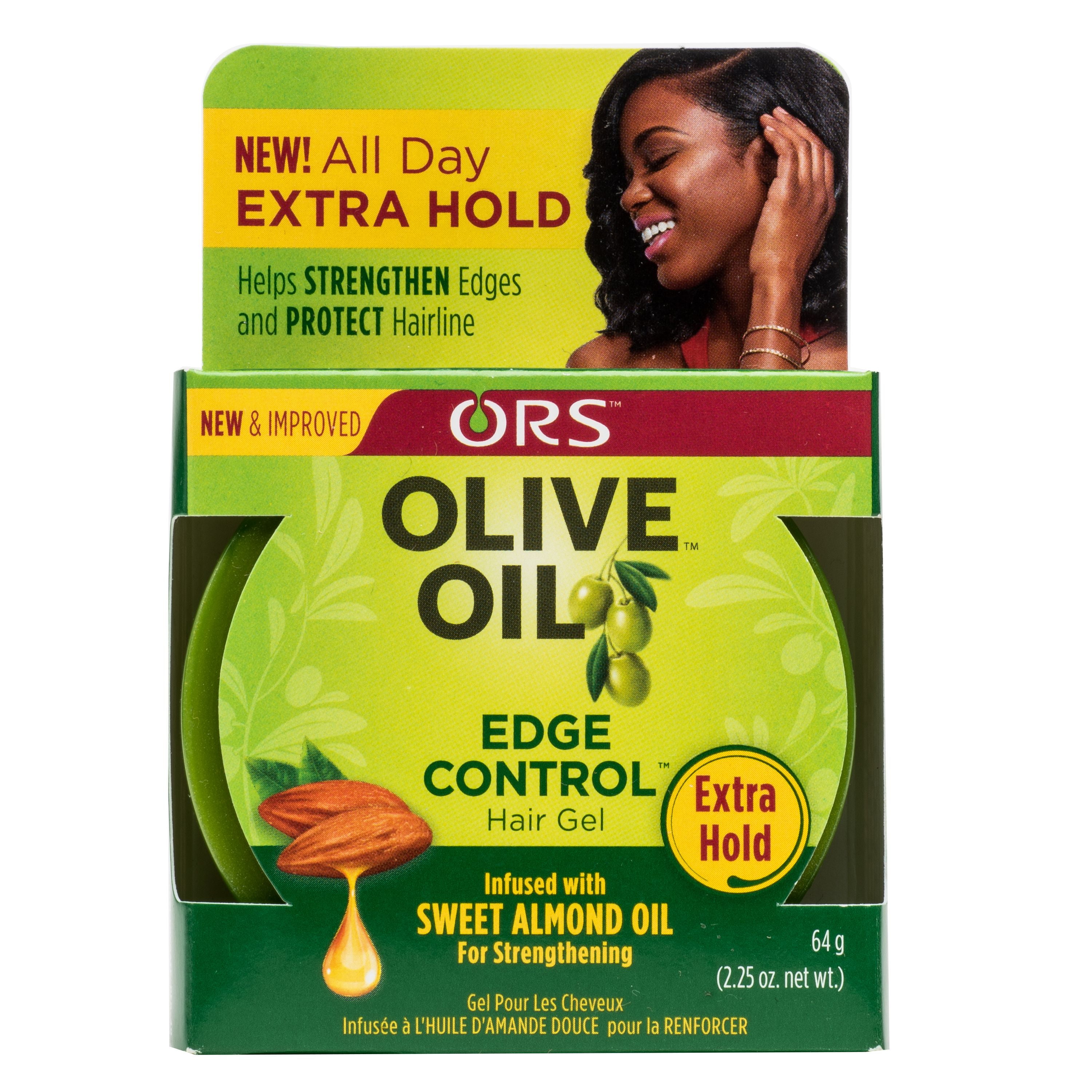
One way to incorporate olive oil is by applying it to your hair before using a relaxer or perm solution. According to Women’s Health, – you can mix a small amount of olive oil with the relaxer or perm solution to create a buffer for my hair, potentially reducing the risk of breakage. After rinsing out the solution, apply olive oil as a deep conditioner to help restore moisture to processed hair. This approach helps maintain healthy, strong hair even after chemical treatments like relaxers and perms.
How to Use Olive Oil for Hair Health
But olive oil does contain fatty acids and vitamins with moisturizing properties that may help protect your hair against split ends and make it appear smoother and healthier. “You can use it in so many ways,” says Gabrielle Corney, a celebrity hairstylist and licensed cosmetologist living in New York City. “You can also add olive oil to a deep conditioner to really soften the hair,” Corney says.
Is olive oil for hair and cooking different?
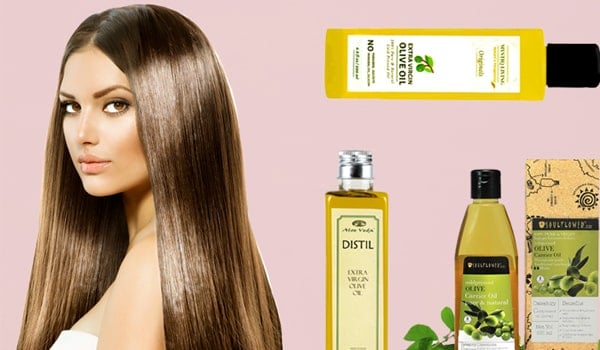
There’s very little scientific evidence to support olive oil’s popularity in haircare. But some research on the effect of olive oil shows that it can have a major moisturizing effect. The thing that bugs me the most about a lot of hair oils on the market is that they are often too heavy and hard to wash out.
6 Skin and Hair Benefits of Jojoba Oil - Health Essentials
6 Skin and Hair Benefits of Jojoba Oil.
Posted: Tue, 25 Jul 2023 07:00:00 GMT [source]
How to do a hot-oil treatment:
These types of hair treatments, which involve the use of chemicals to alter the hair’s natural texture, can be harsh and lead to hair damage. Since olive oil has been shown to have potential protective properties, it can be a useful addition to a hair care routine when using relaxers and perms. Lastly, olive oil can be found in many shampoos and conditioners as a moisturizing ingredient.
How to Use Olive Oil for Shiny Hair and a Healthy Scalp
Whisk one egg, 2 tablespoons of olive oil and 2 teaspoons of honey together until well combined. Massage the mask evenly throughout your hair and let it sit for minutes. If you have acne-prone skin, be sure to remove excess oil and wash your skin or face after you’ve applied the hair mask.
Fekkai Brillant Gloss Daily Conditioner
Extra virgin olive oil has a smoking point of 320 °F, Zito says, and many flatirons, wands, and curling irons reach temperatures much higher than that between 400 and 500 degrees Fahrenheit. However, olive oil can not repair split ends once they occur, Scalia says. While olive oil can help soften the hair and keep it healthy, the best way to deal with split ends is to get regular haircuts to remove any breakage. When it comes to your hair, not just any ol' version of olive oil will do.
Regular use of olive oil can lead to noticeable improvements in the health and appearance of your hair. Regular use of olive oil can help reduce hair breakage and split ends, leading to longer, thicker hair. Second, we don’t know if olive oil would have the same effects as the other elements of the olive tree. Most people will be able to use olive oil on their hair safely, and so it may be worth trying a few different methods to find one that feels best. If you’re trying to treat dandruff, bear in mind it has many causes, including fungus.
Also, if you have fine hair, refer to a dermatologist first to check which oil may be best for you. When used in the right way, olive oil may just surprise you with incredible results. Extra virgin olive oil is obtained by naturally crushing olives without the use of any heating tool or chemicals to save their natural antioxidant and polyphenol content. Olive oil can hydrate the hair because of its chemical constituents such as squalene, oleic acid, and palmitic acid, which are also antioxidants.
If you don’t have the patience to leave it overnight—or your scalp tends to be oil-prone—try hair oiling as a pre-shampoo treatment. Simply leave your hair oil on for at least 30 minutes, up to an hour, before shampooing and conditioning your hair as usual. Like many natural oils, olive oil has a very nutritious profile full of antioxidants and fatty acids. Hair actually has the ability to absorb monounsaturated fats1, according to research, so while not all of the oil will penetrate the strand, there's good reason to believe some will.
I have noticed that applying olive oil to my coarse hair provides a softening effect, making it more manageable. But as with everything, you only see results if you’re using the right oils and doing it consistently. “I typically recommend it for both normal and dry scalp types and those who have damaged, dry hair that is prone to breakage,” says trichologist and hairstylist Helen Reavey, founder of haircare line Act + Acre. If you have fine hair, keeping oil on your scalp and ends for an extended period of time can possibly weigh your hair down (more on this below, though). And, if you do, Williams recommends using olive oil as a hot oil or conditioning treatment, applying them once a week if you dye your hair or you have dry, damaged ends. Just warm 2-4 tablespoons of olive oil (depending on the density of your hair), massage it through the length of your hair, and cover it with a plastic cap.
If you'd prefer to apply pure olive oil to your hair, apply the oil only to the very ends of your hair so that it's nowhere near your scalp, suggests Dr. Mikailov. "Since fungus really thrives in olive oil, it’s not recommended for any scalp-related use such as shampoos, pre-wash scalp oils, or leave-on scalp products." However, you should avoid trying to use olive oil for hair growth benefits, since applying the oil directly to your scalp can come with ramifications. An overgrowth of Malassezia can lead to dandruff or a tina versicolor a type of fungal infection, he says.
Fine hair or straight hair — Olive oil adds shine and prevents breakage, but I would recommend diluting the olive oil with grapeseed oil. It's more lightweight on its own than olive oil so it won't weigh down your hair, but it still provides amazing benefits for hair and scalp. There’s a whole host of oils that claim to bolster hair health—take rosemary oil, castor oil, and coconut oil for hair as examples. Not only are there many products on the market that are infused with it, but some claim that snagging some from the grocery store can do wonders for many hair types and textures.
Another benefit of a hot oil treatment is the boosted circulation in the scalp, thanks to a combination of warm oil and massage. Increasing local circulation is key to healthy hair growth—it ensures that every single hair is healthy and strong, starting at the root. A scalp massage may also stimulate new hair growth, resulting in thicker, fuller hair over time. Olive oil hydrates hair and delivers a dose of antioxidants and omega-3 fatty acids [source] to restore strength and shine. If your hair is color- or heat-damaged, resulting in a dry, straw-like appearance—olive oil is a total godsend.


No comments:
Post a Comment