Table Of Content
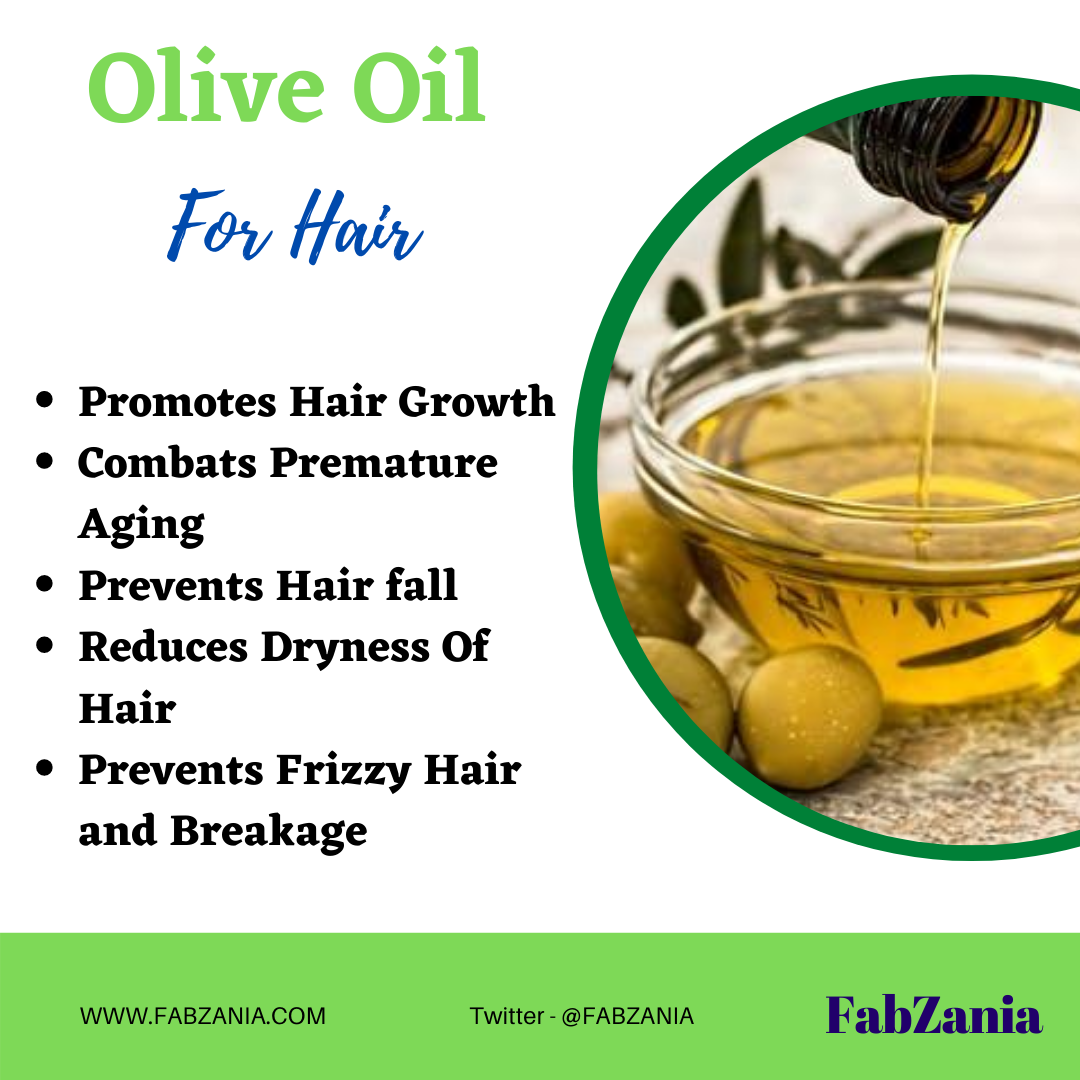
This is important because this way, your hair can utilize the antioxidant powers. Olive oil is a natural moisturizer that can help to nourish and hydrate your hair, leaving it looking shiny and healthy. It can also help to reduce frizz and prevent breakage, as well as soothe a dry, itchy scalp. Over time, using a hot olive oil treatment frequently enough nurtures and protects your hair from damage such as split ends and breakage [source].
Glamour Beauty
For a deep conditioning treatment, Ellis suggests leaving the oil on for about 20 minutes. “If applying just the oil scares you, I recommend mixing it with a little conditioner and then applying it, again avoiding your scalp,” he says. I’ve found that using olive oil can be beneficial for color-treated hair. It helps to preserve hair moisture and strengthen hair, which can be especially important after using hair dye or other coloring treatments. Healthline suggests that incorporating olive oil into your hair care regimen can seal moisture into the hair fiber, helping to keep it healthy and vibrant despite potential damage from hair dye. When used regularly, I have noticed that olive oil conditioning treatments significantly improve the overall health, shine, and body of my hair.
How does organic olive oil differ from regular olive oil for hair?
There is some truth to all those rumors about olive oil helping to soften hair, minimize frizz, and reduce breakage. To incorporate olive oil into my hair care routine, I usually start by measuring out about one or two tablespoons of oil to use as a treatment. As you get more familiar with using it, you can experiment and adjust the amount for your specific hair type and needs. When it comes to using olive oil for hair, it is important to consider the type of hair and scalp you have.
Beyond conditioning
Olive oil is a popular ingredient in food preparation due to its numerous health benefits. In fact, olive oil has been used to moisturize and nourish hair for thousands of years. Ahead, experts explain the benefits of olive oil and the best ways to use it for your healthiest, smoothest hair ever.
If you've never done one before, these are long-beloved rituals used in several cultures for years. It involves warming up various oils, safely applying them to hair, letting them sit for an extended period of time, and then rinsing them out. For this scalp mask, you're essentially using olive oil as your carrier oil base for the rosemary.
Meet the experts:
“In a small container, combine one teaspoon of jojoba oil with two tablespoons of castor oil and five drops of peppermint oil, then gently shake to mix,” she says. “I like to mix a few drops into styling cream so that it doesn’t oversaturate the hair,” she says. One thing that distinguishes olive oil from other oils is that it's especially rich in oleic acid, an omega-9 fatty acid, notes Dr. Mikailov. "Olive oil is rich in fatty acids [such as] oleic acid, linoleic acid and palmitic acid, as well as lipids and antioxidants," he says.
Benefits of using olive oil for hair
Olive Oil for Hair: Benefits and Uses, According to Experts - Prevention Magazine
Olive Oil for Hair: Benefits and Uses, According to Experts.
Posted: Fri, 21 Jul 2023 07:00:00 GMT [source]
In fact, massaging olive oil into your scalp is an excellent way to promote hair growth and maintain a healthy scalp. When it comes to hair care, olive oil stands out as a go-to remedy for promoting hair growth and overall hair health. In this article, we'll answer all your burning questions about olive oil, explain why it's a must-have in your hair care routine, and provide insights into its remarkable properties.
Hair Oiling Is the Ayurvedic Secret to My Healthy, Silky Hair
How much olive oil you should use depends on how deeply you want to moisturize and where. Even though topical products called pediculicides are available for killing lice such, as permethrin shampoo, alternative therapies are crucial because of the ongoing development of permethrin resistance. Various pediculicides also have safety problems such as irritation, burning sensation, tingling, and breathing difficulties.
As far as we know, there’s no cure for dandruff, though using olive oil might reduce your flakes. Even though you’re just treating the ends, keep your hair pinned up so the olive oil doesn’t get on your clothes. To condition your hair all over, start at the scalp and massage the oil through to the ends.
"The idea with heat is that it breaks down the bonds and helps coat it better," says board-certified dermatologist Doris Day, M.D. "I get the theory behind it, but there isn't data to prove it. But it's been done for a long period of time, and we haven't really seen damage from it." Here are a couple of hair masks using olive oil that you can prepare at home and apply to your hair. Here are some reasons that may encourage you to include olive oil in your hair care routine. Essential oils — Lavender and tea tree are two of our favorites for hair. Color-treated hair — If you have color-treated hair or broken or burned ends, it's suggested to avoid using olive oil as it may strip color or cause further damage.
All of these super-conditioning abilities of olive oil make up a surefire recipe for nourishing the hair and scalp for gorgeous, healthy hair. Comb the mixture through your hair, starting at the scalp and working your way down to the ends of the hair. Dry, thick hair tends to benefit, as olive oil helps it to stay moist and strong. Anecdotally speaking, some of these ingredients have been said to promote healthy hair, but they’re not backed by current scientific evidence. While olive oil's benefits in hair care probably won't overshadow its popularity in food anytime soon, the ingredient deserves your attention, particularly if you have dry strands. Now, even though olive oil doesn't sit on the scalp cleansing to prevent buildup is a must, and keeping your hair type in mind is also helpful, says Groover.
While the ingredient is best known for its culinary role, it's also a common addition to hair-care products and DIY how-tos. The moisturizing properties of olive oil may also help strengthen the hair and increase its elasticity, helping to prevent breakage or split ends. While scientific evidence is limited, the chemical makeup of olive oil shows potential for a moisturizing effect when applied to the hair or skin. Here's three potential benefits of olive oil for hair as well as the risks of using it. In order for your hair to remain healthy, it needs to retain moisture and nutrients, and those are often depleted with hot tools, chemical processing, surfactants in shampoos, and daily wear and tear.
At present, there is no research to support specific methods, including the one above, or suggestions as to which is the best for individuals to use. Olive oil can help with removing head lice, but it isn’t any more effective than other oil or conditioning treatments. It’s critical to use the proper comb and make sure you get out all the live lice and their nits.
Olive oil’s primary chemical elements are oleic acid, palmitic acid, and squalene. In fact, many shampoos, conditioners, and pomades contain lab-made versions of emollients. Aloe vera can be used on the hair alone, but it also works nicely with olive oil. They contain a substantial amount of protein, which is responsible for facilitating hair growth. Pediculosis refers to a lice infestation that rapidly affects children and can spread to a healthy individual via direct contact with the hair of someone who is infected. The nutrients of olive oil blended with those of avocado will make for particularly luscious locks if used on a regular basis.
If someone wishes to use olive oil as part of their hair care routine, the oil is available to purchase online. While no research beyond anecdotal evidence has proven that olive oil can help with hair care, this oil does have other possible beauty benefits. Unless your hair is dry enough to require a moisturizing treatment every day, use it once a week or less often for the best results.


No comments:
Post a Comment